
AI in Procurement: From Vendor Quotations to Purchase Order Follow-Ups
How AI is Changing Procurement
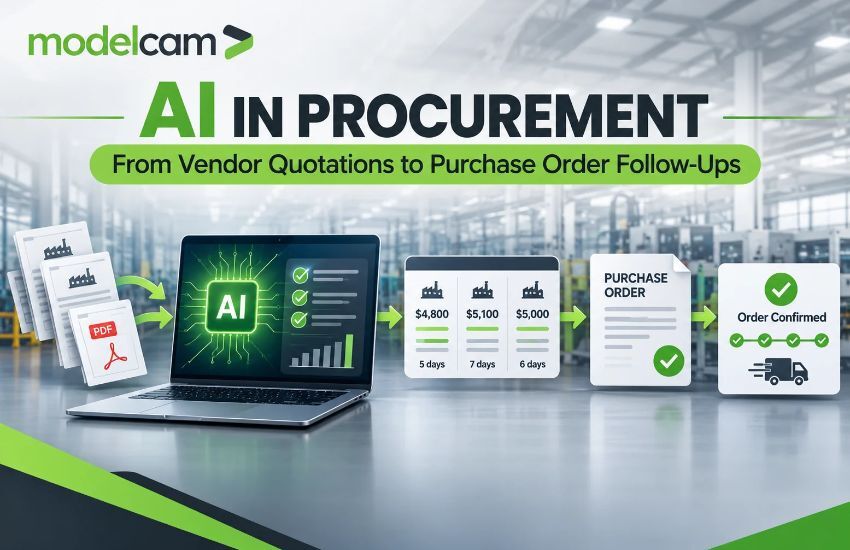
Imagine getting 20 quotations from different vendors for the same purchase. Each quotation may have different prices, delivery schedules, and payment conditions. Going through every document and comparing the details manually can be time-consuming. CompanyGPT and AI in procurement can help businesses handle such tasks more easily.
Procurement plays a key role in the smooth functioning of any business. Companies regularly purchase raw materials, machine parts, office supplies, and various services. Before completing these purchases, the procurement team has to find suitable vendors, collect quotations, compare prices, create purchase orders, and track deliveries.
Managing all these activities manually can slow down the purchasing process. Even a small delay can affect other business operations. By using AI for business, companies can handle routine procurement tasks more efficiently, save time, and improve purchasing decisions.
Understanding the Role of AI in Procurement
In traditional procurement, employees spend considerable time handling emails, spreadsheets, documents, and vendor follow-ups. This leaves them with less time to focus on important tasks such as supplier selection and negotiations.
AI in business is helping companies simplify these activities. It can read vendor documents, arrange quotation details, compare prices, and notify employees about pending work.
With suitable enterprise AI solutions, businesses can bring more structure to their procurement activities. AI can take care of repetitive tasks, allowing employees to focus on vendor communication, negotiations, and purchase approvals.
1. Collecting and Managing Vendor Quotations
Collecting quotations is usually the first step in the procurement process. Businesses send requests to multiple suppliers and receive their responses through emails, PDFs, or Excel files.
Handling several quotations at once can be challenging, particularly when different purchasing requirements are being managed together.
AI can make this process easier by:
- Gathering vendor quotations from available sources.
- Identifying product names, quantities, and prices.
- Extracting delivery schedules and payment conditions.
- Arranging quotation details in an organized format.
- Preparing the information for further comparison.
For instance, a manufacturing company may receive quotations from five suppliers for a particular machine component. AI can extract the required information from these documents and organize it for the purchasing team.
This is how AI document intelligence and business process automation can help reduce manual effort during quotation management. AI helps teams in various tasks and reduces their manual efforts. To understand how, you can explore our blog post, “How AI Can Help Finance Teams Review Invoices, Track Payments and Reduce Manual Work!”
2. Comparing Vendor Prices and Quotations
Selecting a vendor involves more than checking who offers the lowest price. Businesses must also look at product quality, delivery schedules, payment terms, and supplier reliability.
Reviewing all these details from different quotations can take a lot of time.
AI can simplify this task by bringing important vendor details together and showing the differences between available offers.
For example, three suppliers may offer the same raw material:
- Vendor A provides the lowest price but requires more delivery time.
- Vendor B charges slightly more but can deliver sooner.
- Vendor C offers more convenient payment conditions.
AI can arrange these details in a comparison sheet so that employees can review each option easily.
These AI-driven solutions support data analysis and help purchasing teams make informed choices. The final decision, however, should be taken by the authorized team after reviewing all relevant factors.
3. Preparing Purchase Orders Faster
After finalizing a supplier, the procurement team moves to the next step: creating a purchase order (PO).
A purchase order includes details such as the vendor's name, product description, quantity, price, delivery schedule, and payment conditions. Incorrect information in any of these fields can lead to problems during order processing.
AI can help prepare purchase order drafts using details from approved quotations and existing company records.
It can assist with:
- Adding vendor and product information.
- Organizing quantities and agreed prices.
- Creating purchase order drafts.
- Matching PO details with the selected quotation.
- Finding missing details or possible errors.
Using AI automation for business can reduce manual data entry and make purchase order preparation quicker.
The procurement team can check the generated document, correct any errors, and provide the necessary approval before sending it to the vendor.
4. Following Up on Purchase Orders and Deliveries
The procurement process does not end once a purchase order is created. Businesses must also ensure that suppliers confirm the orders and deliver materials within the agreed time.
Employees often need to send reminder emails and make calls to get updates from vendors. Managing these follow-ups for multiple orders can become difficult.
An AI employee can support the team by handling routine tracking and reminder activities.
For example, a procurement AI employee can:
- Keep track of purchase orders awaiting updates.
- Remind employees about pending vendor confirmations.
- Prepare follow-up email drafts.
- Record responses received from suppliers.
- Identify orders that require further attention.
Such activities make AI for business operations useful in regular procurement workflows. They also reduce the time employees spend checking order updates manually.
5. Maintaining Vendor Records and Procurement Data
Every purchasing activity generates important business information. Quotations, purchase orders, delivery details, and payment records help companies maintain a history of their procurement activities.
However, when these documents are spread across emails, folders, and spreadsheets, finding specific information can take time.
An AI company knowledge base can make it easier for employees to find and access relevant business information.
Using AI for company documents, employees can search for old quotations, supplier information, and purchase records without checking multiple files individually.
This organized information can also help businesses review supplier performance, study purchasing patterns, and improve future decisions.
Keeping procurement records accessible also makes coordination between purchasing, accounts, stores, and other departments easier.
How CompanyGPT Supports AI-Powered Procurement
General AI tools can answer questions and help prepare documents. However, businesses also need AI solutions that can support their daily activities and follow specific work responsibilities.
CompanyGPT by Modelcam Technologies brings the concept of AI employees into business operations. Companies can assign a specific role to a named AI employee and define the duties it needs to perform.
Every AI employee comes with a duty roster and maintains a daily work log. This helps businesses track assigned activities and check the work completed.
In procurement, this approach can support regular activities such as comparing vendor quotations, managing documents, and tracking purchase order follow-ups.
CompanyGPT also provides workflow packs for EPC and manufacturing businesses. Its EPC workflow pack covers activities such as tender management, specifications, vendor quotation comparisons, and transmittals.
Another useful feature is its flexible deployment. CompanyGPT can be deployed on desktop, cloud, or on-premise, based on business needs. This gives companies more control over their information and supports their requirements for private AI for business.
With CompanyGPT, businesses can introduce AI business automation into everyday workflows and reduce their dependence on manual coordination.
Benefits of Using AI in Procurement
Using enterprise AI for procurement can help businesses in several ways:
- Reduced Manual Effort: Routine activities can be automated, giving employees more time for important responsibilities.
- Improved Accuracy: AI can help find missing information and differences in vendor documents.
- Faster Processing: Quotations can be organized, and purchase order drafts can be prepared more quickly.
- Better Follow-Ups: Reminders and work logs help employees keep track of pending orders.
- Improved Team Coordination: Information can be shared more easily between procurement and other departments.
- Better Work Visibility: Managers can get a clearer view of purchasing activities and pending tasks.
These advantages make AI technology for business a useful addition to modern procurement processes.
Conclusion
Procurement involves much more than selecting vendors and placing orders. It requires proper coordination, document management, quotation comparisons, and regular follow-ups to ensure that purchases are completed on time.
By adopting AI for business workflows, companies can simplify routine activities, manage information more effectively, and improve their purchasing processes.
AI employees can also take responsibility for assigned tasks, maintain work records, and support better coordination between teams.
CompanyGPT by Modelcam Technologies helps businesses bring role-based AI employees into their daily operations and move towards more organized ways of working.
The goal of modern procurement is not just to complete purchases faster. It is to make better decisions, manage resources efficiently, and allow employees to focus on more valuable business activities.